Daily Schedule Notes Paper: A Practical Tool for Organization and Creativity
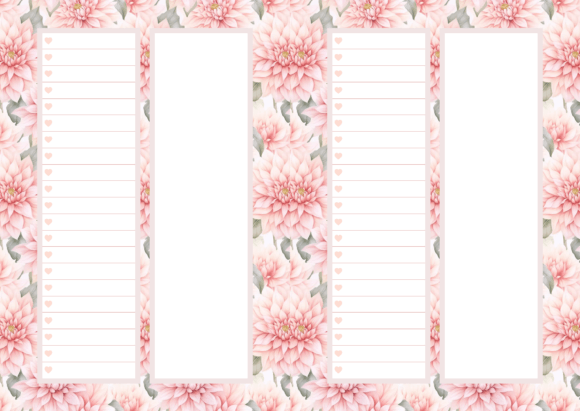
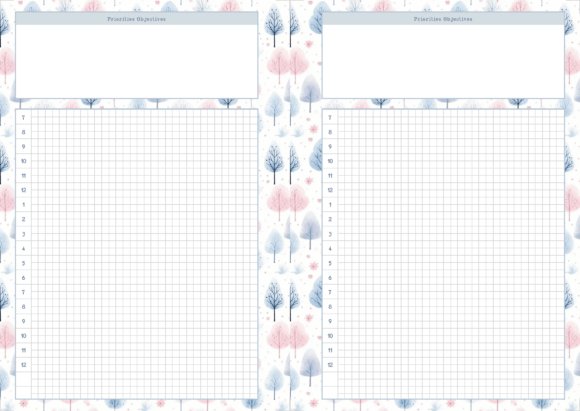
Daily Schedule Notes Paper is a versatile printable planner page designed to help users manage their time, tasks, and thoughts in a structured yet flexible way. Typically formatted as an A5 size sheet, it serves as a daily planning tool with space for appointments, reminders, notes, and to-do lists. Unlike traditional planners that come in physical books or apps, this format allows for customization and integration into various creative and practical projects.
Why People Might Be Interested in Daily Schedule Notes Paper
Many individuals seek tools that combine functionality with personal expression. Daily Schedule Notes Paper offers just that by providing a clean layout that can be adapted to suit different needs. Whether someone is looking to streamline their workday or enhance their creative crafts, this product has broad appeal due to its adaptability and ease of use.
For professionals who prefer paper-based organization over digital tools, these sheets offer a tactile experience that can improve focus and retention. Students may also find them useful for managing class schedules and assignments without the distractions of electronic devices.
Benefits of Using Daily Schedule Notes Paper
- Customization: Users can modify the design, add stickers, or incorporate color coding to reflect their personal preferences or project requirements.
- Portability: The A5 size is compact enough to carry in a bag or notebook while still offering ample space for writing and planning.
- Multifunctional Use: Beyond scheduling, these pages are ideal for scrapbooking, cardmaking, web design mockups, fabric printing, and other craft projects.
- Print-on-Demand Flexibility: Being available as a printable PDF means users can print as many copies as needed, avoiding the need to buy pre-printed planners.
- Cost-Effective: Compared to commercial planners, using printable versions often proves more economical, especially for those who prefer to update their layouts regularly.
Tradeoffs and Considerations
While Daily Schedule Notes Paper is highly beneficial, there are some tradeoffs to consider. One potential downside is the lack of built-in durability. Since these are printed on standard paper unless laminated, they may not withstand frequent handling or spills as well as hardcover planners.
Additionally, individuals who rely heavily on digital synchronization may find the manual nature of these sheets limiting. There's no automatic reminder system or cloud backup unless paired with other digital tools. However, for those who enjoy the simplicity of pen and paper, this is often seen as a feature rather than a drawback.
Another consideration is the initial setup required. Users must either choose a template or create their own design, which might take some time. But once set up, the consistency and structure can significantly boost productivity and creativity.
Situations Where It’s a Strong Fit
Daily Schedule Notes Paper works exceptionally well for people who value both aesthetics and functionality. For instance, it is an excellent fit for:
- Craft Enthusiasts: Those involved in scrapbooking, cardmaking, or collage work appreciate the ability to integrate schedule pages into their projects seamlessly.
- Teachers and Students: Educators can plan lessons, while students can track assignments and deadlines in a visually appealing format.
- Freelancers and Remote Workers: With customizable time slots and note areas, it helps in organizing tasks and meetings across multiple clients or projects.
- Event Planners: These pages can assist in coordinating timelines for parties, weddings, or other events, especially when combined with decorative elements.
- Home Organizers: From meal planning to home improvement projects, the blank spaces and grids provide a great foundation for tracking progress and ideas.
Situations Where Alternatives May Be Worth Considering
Although Daily Schedule Notes Paper is highly adaptable, certain scenarios may call for alternative solutions:
- High Volume Scheduling Needs: If you manage complex, long-term schedules with recurring tasks or require integration with calendar software, a digital planner might be more suitable.
- Collaborative Work: Teams working together on shared schedules may benefit from online tools like Google Calendar or Trello, which allow real-time updates and collaboration.
- Budget Constraints: While generally affordable, ongoing printing costs could add up for those who use large quantities. In such cases, reusable planners or digital options may be more cost-effective.
- Environmental Concerns: Frequent printing may not align with eco-friendly goals. Digital calendars or apps can reduce paper usage and support sustainability efforts.
- Preference for Structured Systems: Some users thrive on rigid formats with built-in prompts and sections. Commercial planners often include additional features like goal-setting pages or habit trackers that aren’t part of basic printable templates.
Practical Decision-Making Insights
When deciding whether Daily Schedule Notes Paper fits your lifestyle or workflow, consider the following insights:
Assess Your Workflow: Are you someone who prefers jotting down notes by hand or do you rely on digital systems? If you enjoy the process of writing and organizing manually, this tool will likely serve you well.
Evaluate Your Creative Projects: If you’re engaged in crafting, scrapbooking, or designing invitations, the printable format makes it easy to blend scheduling with artistic expression. Look for templates that offer grid lines or bullet points if you want a balance between form and function.
Think About Longevity: Will you use these pages for a few weeks or months? Or do you need something that lasts for years with minimal maintenance? Printable planners can be updated easily, but they may not have the same archival quality as professionally bound planners.
Consider Storage and Accessibility: How will you store and access these pages? If you're always on the go and need instant access to your schedule, a mobile app might be more convenient. However, if you work primarily at a desk or in a studio setting, having a printed version can be more satisfying and less distracting.
Expectations and Best Practices
If you decide to use Daily Schedule Notes Paper, managing expectations is key. This tool is most effective when used consistently and thoughtfully. Here are a few best practices:
- Stick to a Routine: Use the same format each day to build habits around planning and reviewing your schedule.
- Pair with Other Tools: Combine it with a digital calendar for reminders or a task management app for tracking progress across days.
- Experiment with Layouts: Try different templates to see what works best for your visual style and organizational needs.
- Use Quality Materials: Opt for high-quality paper or lamination if you plan to reuse the pages or expose them to moisture or frequent handling.
- Keep It Updated: Regularly review and adjust your notes to ensure accuracy and relevance. Avoid letting outdated information clutter your workspace.
Final Thoughts
Daily Schedule Notes Paper is more than just a planning tool—it’s a bridge between organization and creativity. Its flexibility makes it a strong candidate for those who want control over their planning experience without sacrificing style. When used correctly, it can help maintain productivity while supporting personal expression through custom designs and decorations.
However, it’s important to weigh the benefits against potential limitations. If your needs lean toward structured systems, automation, or collaborative workflows, alternatives might better suit your lifestyle. Ultimately, the decision comes down to how you prefer to organize your life and what kind of tools make that process enjoyable and sustainable for you.