Pastel Colors Digital Papers: A Versatile Resource for Creative Projects and Professional Workflows
When it comes to digital design, the right tools can make all the difference. Pastel Colors Digital Papers offer a subtle yet stylish solution for creators across multiple disciplines. Whether you're designing invitations, stationery, or business cards, these soft-hued papers provide a clean and elegant backdrop that complements a wide range of styles and themes. In this article, we’ll explore how Pastel Colors Digital Papers fit into various workflows, their practical uses, and how they can be integrated with other design elements and tools.
What Are Pastel Colors Digital Papers?
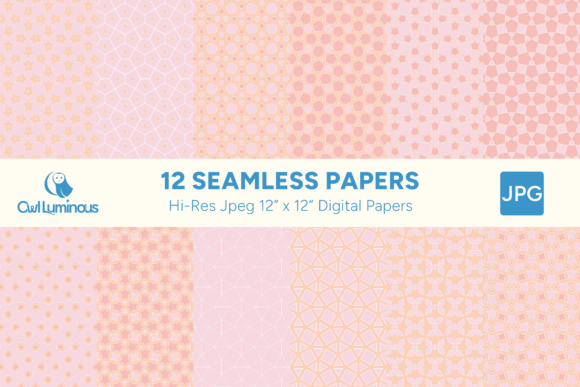
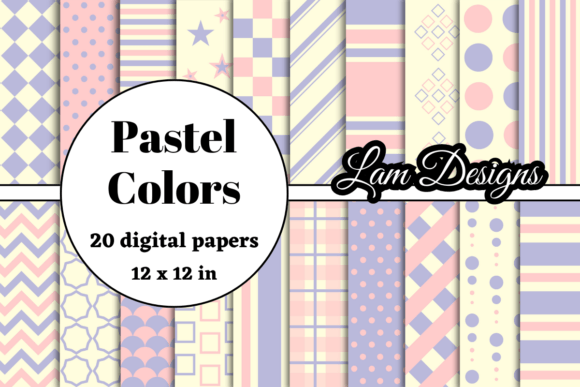
Pastel Colors Digital Papers are high-quality, digitally created background designs featuring gentle, muted tones like lavender, mint, peach, and baby blue. These colors evoke a sense of calm, sophistication, and modernity—perfect for projects where subtlety is key. Each paper is typically sized at 12in x 12in, making them ideal for scrapbooking, printables, and other crafting purposes. The pack usually includes 20 unique designs, delivered in a ZIP file for easy access and use.
These digital papers are often used as backgrounds in graphic design software such as Adobe Photoshop, Illustrator, or Canva. They can also serve as overlays or textures in digital art, helping to add depth and visual interest without overwhelming the content. Because they are low-contrast and neutral in tone, they work well in both minimalist and more detailed layouts.
Where Do Pastel Colors Digital Papers Fit Into Your Workflow?
Integrating Pastel Colors Digital Papers into your workflow depends on the project at hand. Here’s how they can be applied effectively in different stages:
Before a Project Starts: Planning and Inspiration
During the planning phase, using pastel-colored digital papers can help set the tone for your creative direction. For example, if you’re preparing a scrapbook layout, selecting a pastel color palette early on ensures consistency throughout the project. You might choose one or two papers from the pack to establish a mood board or vision for your design. This helps streamline decision-making later and keeps your project cohesive.
For educators creating classroom materials or planners, pastel backgrounds can reduce visual fatigue while maintaining a professional appearance. Choosing the right base paper before adding text, images, or graphics makes the entire design process smoother and more efficient.
During Design Execution: Enhancing Layouts and Visual Hierarchy
Once you begin working on a specific layout, such as an invitation or greeting card, pastel digital papers can be layered beneath other design elements. Their soft tones allow text and illustrations to stand out clearly while contributing to a harmonious aesthetic. For instance, placing a delicate floral patterned pastel paper behind a bold header gives a balanced contrast without clashing.
In multi-page documents like planners or calendars, varying the pastel paper across sections can help users visually differentiate between tasks, notes, and events. It's a simple but effective way to enhance usability and guide the viewer’s eye through the content naturally.
If you're using tools like Canva or Adobe InDesign, importing the ZIP file containing these papers allows for drag-and-drop integration. This makes it easy to apply the same background consistently across multiple pages or templates, ensuring a unified look for your final product.
After Completion: Printing, Sharing, and Reuse
Once your design is complete, the next step is exporting and printing. Pastel colors translate beautifully in print, especially when using high-resolution inkjet or laser printers. Make sure to check color profiles and printer compatibility to ensure the pastels remain true to their original softness.
For digital sharing, pastel backgrounds maintain clarity and elegance on screens. When designing digital assets like social media posts or email newsletters, these papers can give your content a fresh, inviting feel. Additionally, because they come in a standardized size (12in x 12in), they are compatible with most printable templates and die-cut machines, which is essential for hobbyists and small businesses alike.
Another benefit of purchasing a pack of 20 pastel papers is the ability to reuse them across different projects. Organize your files by theme or color family to quickly pull up the right asset when needed. This not only saves time but also supports long-term efficiency in your creative processes.
Use Cases for Pastel Colors Digital Papers
The versatility of Pastel Colors Digital Papers makes them suitable for a variety of applications. Below are some common use cases where they can elevate your output:
- Invitations and Stationery: Ideal for weddings, birthdays, or corporate events, pastel papers add a touch of class without being overpowering.
- Scrapbooking: Use them as page backgrounds or accents to create a warm, personal atmosphere in photo albums or memory books.
- Gift Wrapping and Packaging: Print onto kraft or recycled paper for eco-friendly gift wraps with a soft, artistic flair.
- Business Cards and Branding Materials: Pair with monochrome typography or minimal logos for a clean, modern brand identity.
- Wall Art and Decorations: Create DIY wall prints or canvas covers with pastel patterns for a soothing home environment.
- Acrylic Tumbler Wraps: These papers can be adapted for vinyl printing, allowing you to personalize tumblers and mugs with ease.
- Planners and Journaling: Use them as decorative dividers or headers to break up content and add visual interest.
How to Integrate Pastel Colors Digital Papers Seamlessly
To get the most out of your Pastel Colors Digital Papers collection, consider the following tips for smooth integration:
- Organize Your Files: Extract the ZIP file and categorize the papers by color, pattern type, or intended use. This will save time during future projects.
- Match With Complementary Elements: Since pastels are low-saturated, pair them with bolder fonts, icons, or photographs to maintain visual balance.
- Test Print Before Finalizing: Always do a test print to ensure colors appear as expected. Some monitors may display hues differently than printed output.
- Layer Smartly: If you plan to use multiple layers in your design, adjust the opacity of the pastel paper to let underlying elements show through subtly.
- Stay Consistent: Choose a few favorite papers from the pack and use them consistently across related projects to maintain brand or theme coherence.
Workflow Example: Creating a Wedding Invitation Suite
Let’s walk through a real-world scenario. Suppose you’re designing a wedding invitation suite. Start by selecting a pastel digital paper with a floral pattern as the main background. Use a solid pastel sheet as a secondary background for inner envelope liners. Then, layer text and graphics on top, ensuring the font color contrasts enough against the paper to remain legible.
By using the same set of pastel papers throughout the suite, you reinforce the event’s theme and create a seamless experience for the recipient. This method also simplifies the design process by limiting the number of variables you have to manage.
Compatibility and Usability Across Platforms
One of the strengths of Pastel Colors Digital Papers is their adaptability. Most packs include common file formats like PNG or JPEG, ensuring compatibility with a broad range of software and devices. Here’s how they work with popular platforms:
- Adobe Creative Suite: Easily imported into Photoshop or Illustrator for advanced editing and customization.
- Canva: Perfect for quick, drag-and-drop designs. Upload the papers directly into your Canva template library for instant access.
- Cricut or Silhouette: Suitable for cutting machines when paired with appropriate software, especially for sticker or label designs.
- Print-on-Demand Services: Compatible with services like Etsy Printful or Zazzle, where you can upload your custom-designed products for resale or gifting.
Regardless of the platform, always verify resolution settings and aspect ratios before finalizing your design. High-quality pastel papers should be scalable without losing clarity, but it's good practice to confirm this before large-scale printing.
Quality Control and Long-Term Use
When using any digital resource, quality control is crucial. Ensure that each paper is free of compression artifacts or graininess, particularly if you're planning to print at scale. If possible, review the sample images provided before purchasing to assess overall quality.
For long-term use, store your pastel papers in a centralized folder within your design library. Label them clearly so you can locate the right paper quickly when inspiration strikes. Over time, you’ll build a curated collection that aligns with your preferred style and project needs.
Practical Tips for Maximizing Creativity
Here are some additional strategies to help you make the most of your Pastel Colors Digital Papers:
- Combine With Textures: Overlay a light texture (like linen or watercolor) for added depth and dimension.
- Experiment With Layer Styles: Try blending modes like Multiply or Soft Light to integrate the papers with other design layers more seamlessly.
- Use As a Template Base: Build recurring templates around these papers for consistent branding or product lines.
- Pair With Handwritten Elements: Add calligraphy or hand-drawn illustrations for a personalized touch that pairs well with pastel aesthetics.
- Repurpose for Digital Projects: Beyond printables, these papers can serve as website backgrounds, blog headers, or even mobile app UI elements.
Conclusion
Pastel Colors Digital Papers are more than just decorative assets—they are functional components that support creativity, clarity, and consistency in design. By understanding how they fit into your workflow and leveraging their compatibility with various tools, you can streamline your creative process and produce professional-quality results.
Whether you're a seasoned designer or just starting out, these papers provide a reliable foundation for invitations, scrapbooks, planners, and much more. With thoughtful organization and implementation, they can become a staple in your digital toolkit, enhancing everything from personal projects to business outputs.